
Why we don’t remember most of our dreams
If you wake up right after having a dream, you might remember its details vividly, but usually we go back to sleep and lose those memories.
It means timing matters a lot if you want a lucid memory of your dream. It is just like something came to your mind as a writer. What would you do? Record it somewhere to not forget. For dreams, your brain also needs to record them not to lose their content.
If you wake up in the middle of a powerful dream, you will remember its details almost graphically, feeling like you may have just experienced a divine revelation. While scientists can’t tell you anything about the divinity of your experience, they will simply say that you remember it well because you wake up immediately after your dream.

But how? Like the way you stop briefly what you do as a writer to record your idea, you also need to stop sleeping to let your brain record your dreams. So recording and memory are two key ideas in not losing your dreams.
Ancient Times Made for Dreams
In ancient times from Egypt’s pharaohs to Babylon’s Nebuchadnezzar, a famous Middle Eastern king, and previous generations, who slept in more natural environments and experienced less stressful workdays, were sleeping longer; this meant dreams could manifest, and dream recall improved.
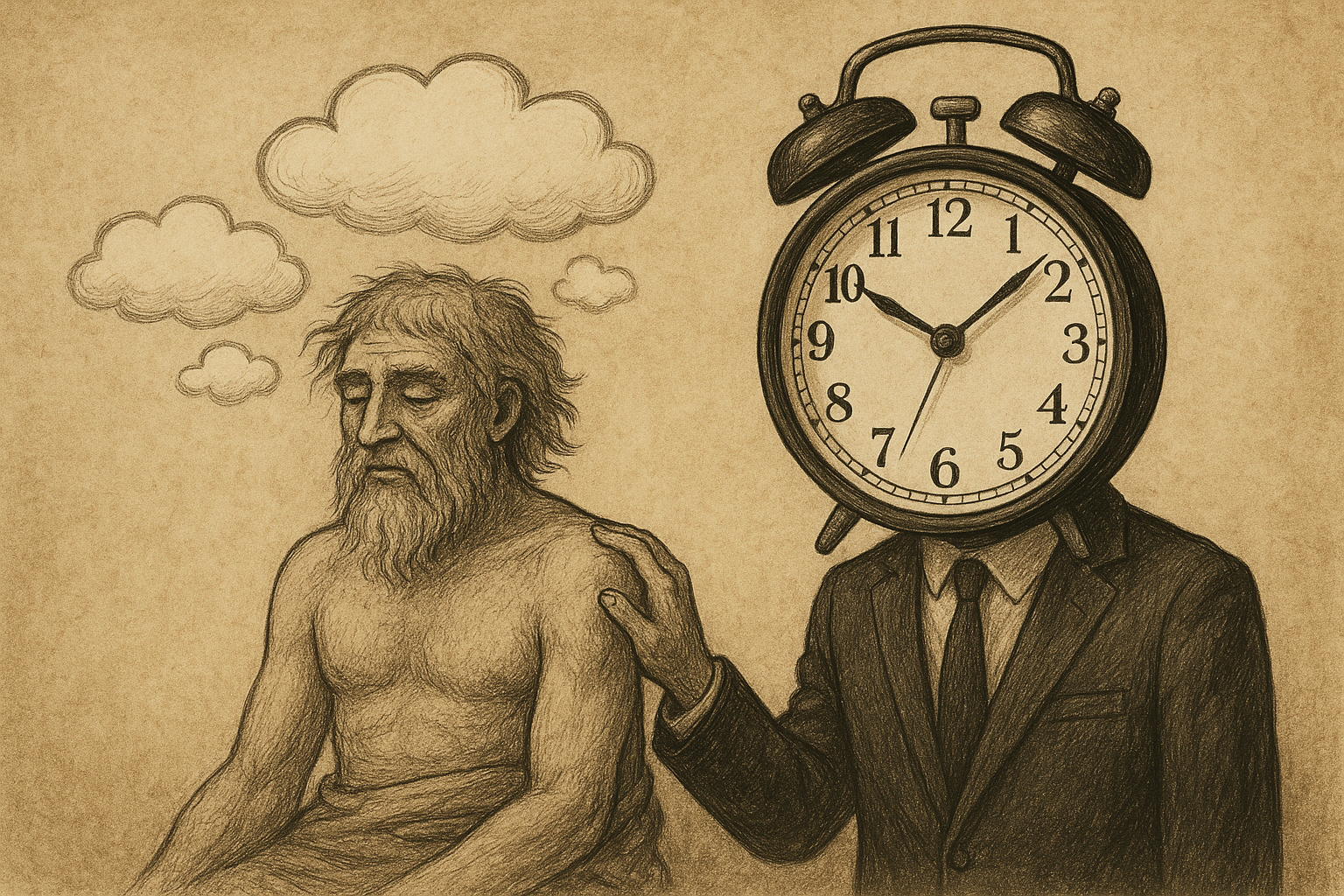
People need to wake up to allow their brains to record dreams; otherwise, in deep sleep, as it covers much longer periods than dreaming periods, dreams will be lost.
In ancient times, there were no alarm clocks in the way we have them today, having to rush to work as soon as they wake up. Instead, they usually had brief periods in the morning when they had time to contemplate their dreams and bring the pieces together.
“If you’re the kind of person who leaps up out of bed and goes about their day, you’re not going to remember your dreams,” said Robert Stickgold, a sleep researcher at Harvard Medical School.
Alarm clocks as Dream Killers
How can an innocent alarm clock kill our dreams?
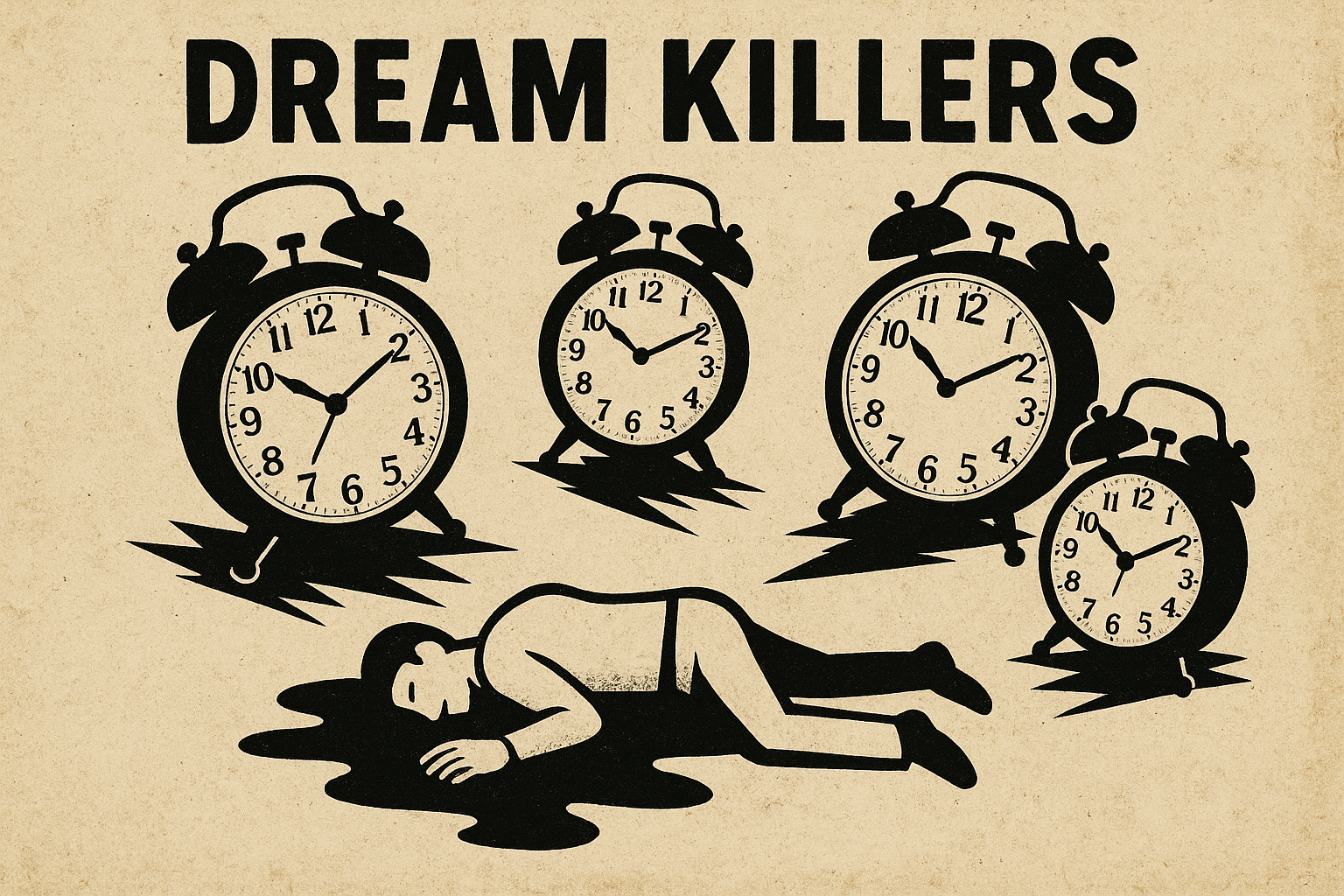
The answer is more involved than appears at first glance. Dreams are primarily related to the expressing our (hidden or unacknowledged) emotions, rather than the work of rational minds. When we dream, the brain’s components which manage emotions are in control of the body.
As a result, the body supplies blood to those parts of the brain, depriving it from rational facilities. And our brain’s emotional state enters its highest level during the Rapid Eye Movement (REM) sleep in which dreaming happens a lot more than any other time.
During sleep, particularly in the REM stage, the levels of norepinephrine (NE) or noradrenaline (NA), a kind of hormone, which stimulates both brain and body to act, is naturally low when we sleep, as we are in a passive mode.
But an alarm clock will suddenly wake you up, abruptly ending your emotional experience and calling noradrenaline for duty to take control of the body. It will essentially trash your dreams, making it hard to remember them properly. (Using alcohol prior to sleeping is also a killer of dreams because it will suppress REM sleep, making you sleep too deep.
Think you are running on a beautiful road as trees are lining up on two sides of it and suddenly a big wall falls from the sky to prevent you from moving further. That’s exactly what an alarm clock does to your dreams.
Do you want to remember all dreams?
While remembering dreams could be an interesting experience, it might also be a dangerous one, messing up our lives, according to experts.
“It’s probably a good thing that the dream life and the waking life are completely different,” according to Francesca Siclari, a sleep research doctor at the Lausanne University Hospital.
Many people, who suffer from sleep disorders, have a tendency to confuse their dreams with reality, often embarrassing themselves with their own dreams, according to Siclari.
Dream well, but remember, you don’t need to remember all the details; the details with the most emotional “charge” will be what you need to know at that moment.
Leave a Reply