
The connection between music and dreams is as profound as it is mysterious. This kinship is both spiritual and scientific, with recent studies shedding light on the intricate mechanics of how these two phenomena intersect. We all know that strong emotions and significant events during the day can shape dream scenarios, but can music have a similar effect?
Many people turn to music to relax and calm down as a way of decreasing the “effort” of daily life. But music has just as much to offer when we need a boost of energy, a positive surge of creativity, focus and inspiration.

This isn’t just anecdotal information. Scientific research has connected music with an increase in brain chemicals associated with improved mood, including dopamine, and it may also decrease brain chemicals associated with stress responses, such as cortisol. By reducing anxiety, music can help us make more space for joy in our lives as well.
Scientific evidence demonstrates that auditory stimuli, including music, presented during sleep can influence dream content. An experiment by researchers at the University of Helsinki found that listening to music before sleeping could significantly impact the emotional tone of dreams. More often than not, individuals exposed to positive-toned music reported having cheerful dreams, while those exposed to negative-toned music experienced distressing dreams.
The influence of music on dreams isn’t just a one-way street. Our dreams, in turn, also inspire music. Numerous artists, from The Beatles to Beethoven, have claimed their best compositions were born in dreams. John Lennon’s “#9 Dream” and Paul McCartney’s “Yesterday” were both famously said to have originated in dreams, displaying how dreams can serve as a vibrant source of creative inspiration.
The synchrony between music and dreams is apparent in their shared characteristics as well. Both are temporal arts that elicit strong emotions, and they both unfold over time, creating a narrative structure. Furthermore, they both use symbolism and metaphor, operating on multiple levels simultaneously. A musical composition or a dream can tell a story, invoke feelings, or paint a picture, often all at once. Both dreams and music also tap into our deep-seated memories. Dreams often incorporate fragments of past experiences, and music, too, can trigger powerful recollections. A song can transport us back to a specific moment in time, a sensation reminiscent of how dreams can replay past events. This tie between music and dreams provides an avenue for therapeutic intervention, as both can help access and process memories that might be difficult to deal with otherwise.
But how exactly does music impact our dreams? Today we’ll take a look to find out how music interacts with our dreams.
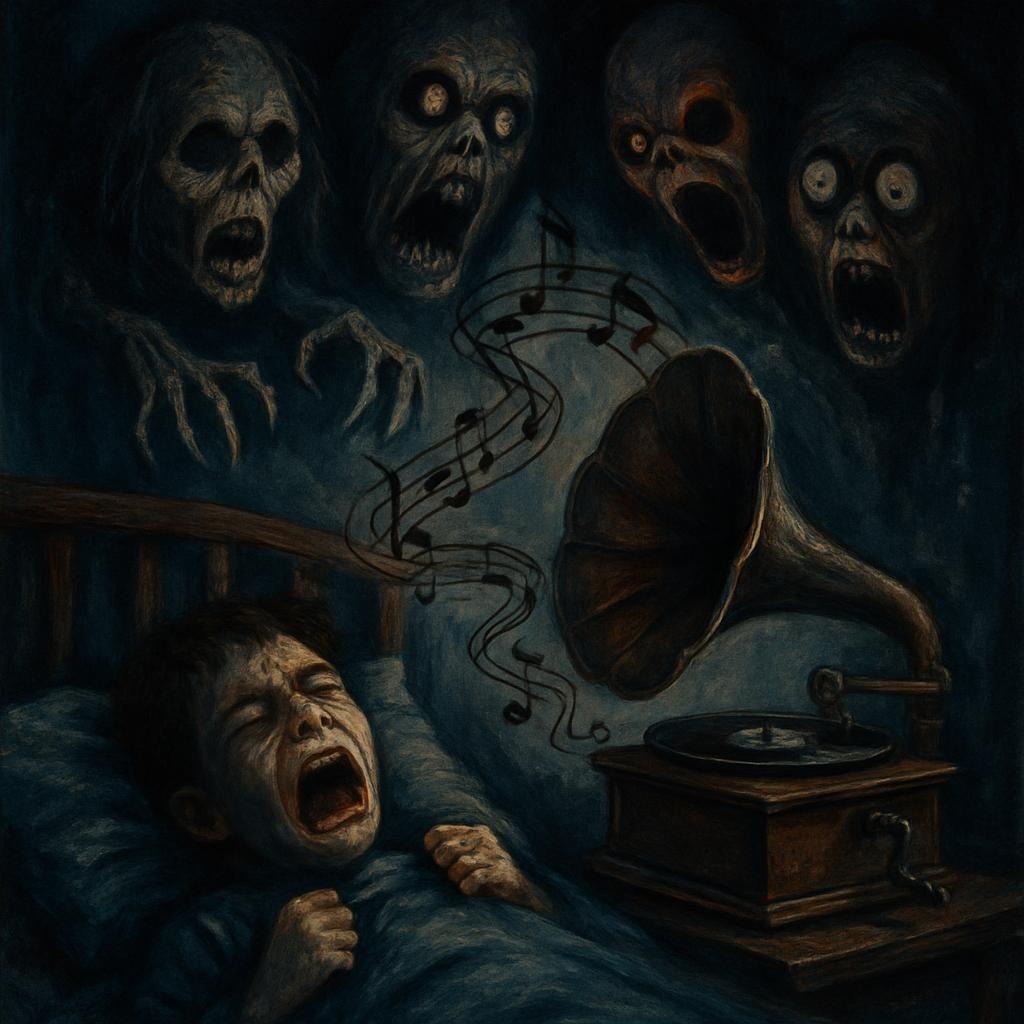
Music has a powerful impact on human emotions, and it can be used to convey a wide range of feelings. In dreams, music can serve as a source of emotional expression, mirroring the dreamer’s emotional state. Some people report experiencing sadness, nostalgia, or even anxiety when they are listening to music, depending on the context and the specific music involved. Music can also significantly reduce anxiety, stress, and other factors that can interfere with good quality sleep. However, the effectiveness of music in promoting better sleep can depend on various factors, including the type of music and individual preferences. Individual preferences play a significant role in determining how effective music is in influencing emotions and mood. People’s emotional connections, musical tastes, cultural backgrounds, personal associations, and current psychological states all contribute to the effectiveness of music. What resonates emotionally is highly personalized and varies from person to person, making music a subjective and individualized experience.
Music has the potential to increase the odds of dreaming pleasant things while also helping you relax and better process the occurrences of your day. In this way, music can help you to work through your emotions, especially when you look closer at what tunes are calling to you.
Think about it: a soundtrack can truly make or break a movie. The emotion evoked through song can set the stage for greatness, and this effect of music can transcend into our daily lives, as well. Just like daily activities can feed into our dreams, music can do the same.
Music isn’t just pretty sounds – it has truly therapeutic value; in Norway, a doctor/holistic therapy practitioner trains nurses to use music to help with the care of elderly patients.
I have personally seen the impact of music on the elderly: one man, who was at a wake I attended years ago, threw down his cane and partied like a 20 year old when music from his youth was played; on another occasion, the mother of a friend, who was suffering with dementia, came alive and floated on the dance floor when music from the 1940s (when she was a young woman) was played. While delivering palliative care to terminal patients (including my husband), music had the power to give a bit of respite from pain.
Music has the potential to increase the odds of dreaming pleasant things, while also helping you relax and better process the occurrences of your day. In this way, music can help you to work through your emotions, especially when you look closer at what tunes are calling to you.
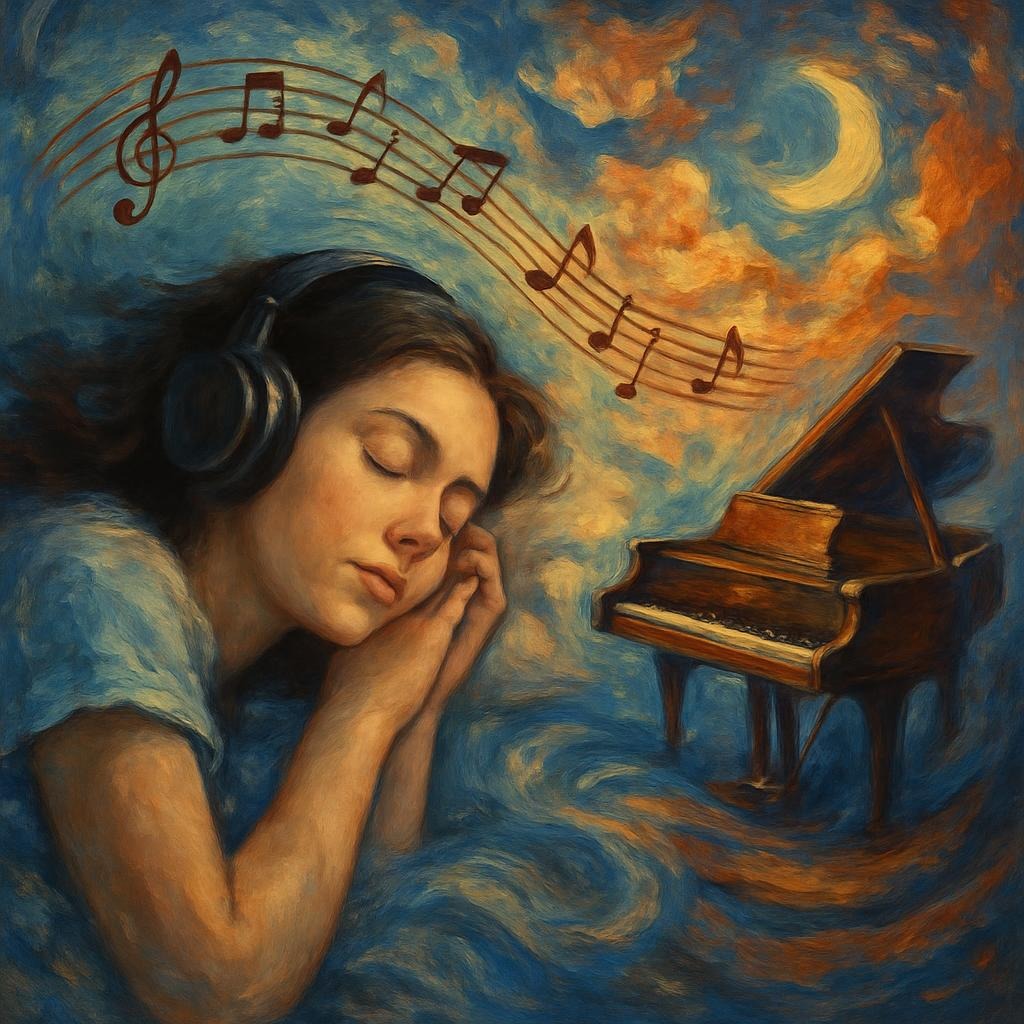
Have you ever watched a movie right before bed, only to have some of that plot leak into your dreams? This phenomenon emphasizes how the activities completed during the day may influence our nights. However, one of the key components of a movie is its soundtrack, so if you were to remove the visual stimuli and have only music, would it have the same effect on your dreams?
In one study, the researchers enlisted twenty subjects to complete a 10-day experimental protocol in which they listened to no music, exciting music, or calming music just before bed. The exciting and calming music were both listened to for three consecutive nights, equating to six nights of music-listening, while the nights in which the participants listened to no music were considered the baseline nights.
Over the course of the study, the researchers found that the only factor that differed on the music vs. no music nights was the Primary Process Scale, with primary process imagery, that is, dreams consisting of something that the dreamer desires, being more common on the nights following calming or exciting music.
The study showed that listening to music can increase your odds of having a pleasant dream where you can see your wishes fulfilled. Additionally, no matter what type of music you listen to, whether calming or exciting, you don’t run a risk of increasing anxiety or hostility.
As for the mechanisms that impact how music may influence your dream quality and content, they are related to the physiological changes that music can elicit. Namely, music may help to lower your heart rate, blood pressure, and anxiety levels. Not only could this lessen your odds of a bad dream and improve your sleep quality, but by calming your mind and body, you are in a better place to process your emotions from the day.
There are also theories that music may help those who attempt lucid dreaming by increasing their control over the dream’s content. Specifically, playing specific songs may set the mood for the dream, similar to how music is used to set the mood of a movie. This means that music may help lucid dreamers focus on a specific element of themselves, which can then help with their emotional processing.
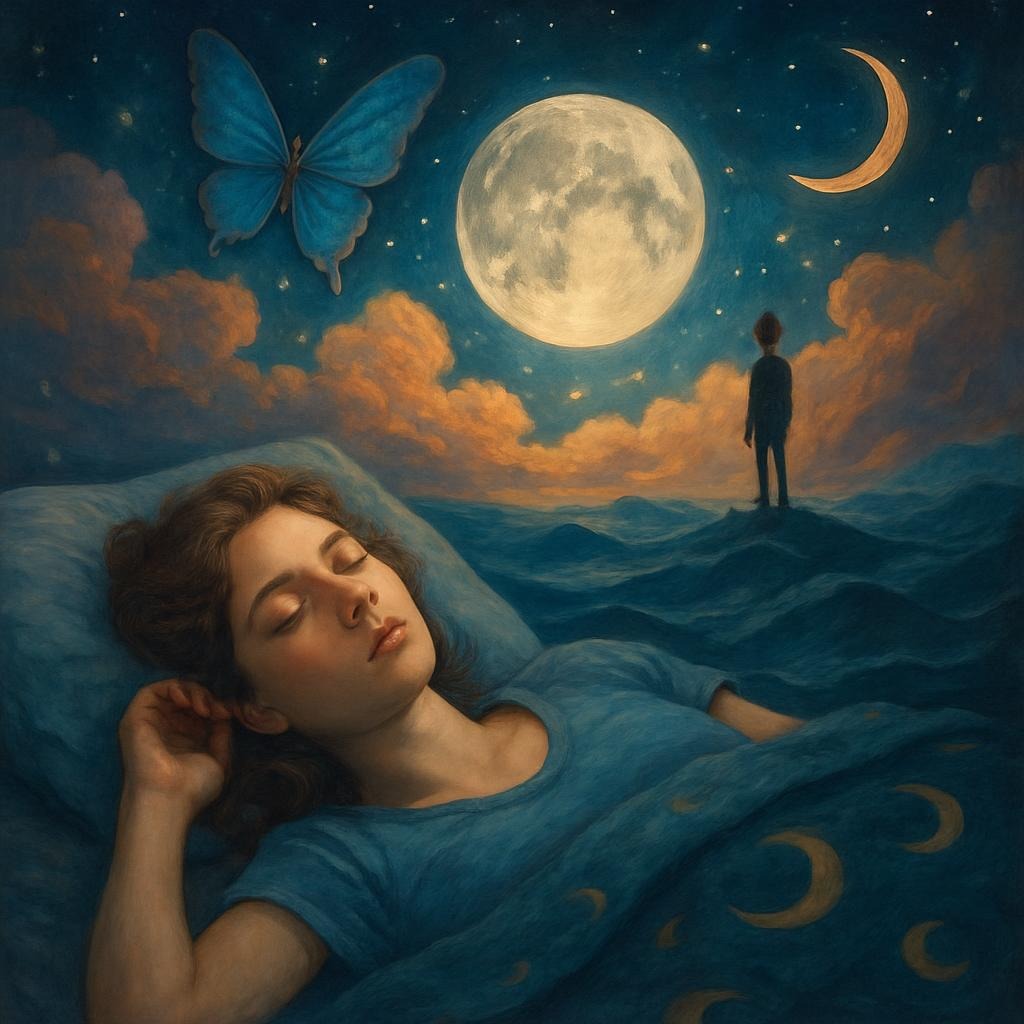
If you’ve never remembered hearing music while dreaming, you’re a part of the majority. In one study, it was found that only 6% of remembered dreams contained music, but the odds of having a dream with music were increased in those who spent more of their waking hours surrounded by music, including those who sing, play an instrument, or actively listen to music.
As for what makes these music dreams so appealing, they were associated with more positive emotions than dreams in general. However, it remains unknown if having a music dream can affect your mood the next day.
Although the connection between music and dreams is strong, it’s only the tip of the iceberg in terms of understanding the intricate landscape of the human mind. Unraveling this relationship more completely could open up new frontiers in neuroscience, psychology, and even arts and music therapy.
In need of a little aural (ear) massage?
KARUNA REIKI HEALING
Check out my Karuna Reiki healing audio session. I created this for Dawn, a friend and colleague who was in distress with an asthma attack in the middle of the night, while we were on vacation in Portugal; her medicine wasn’t even helping and her wheezing and coughing was frightening to listen to, never mind being the one experiencing it!
She stated afterwards that the toning and chanting helped to calm and soothe the attack, so that she was able to fall asleep and rest – and I hope this recording will do the same for you!
After you have a listen, to drop me a line and let me know what you experienced — and whether you’d like more recordings like this.
Key Points from the Article:
- Music as a Creative Inspiration in Dreams: Many artists, including The Beatles and Beethoven, have credited dreams as the source of their musical compositions, highlighting how dreams inspire creativity.
- Shared Characteristics of Music and Dreams: Both are temporal arts that evoke strong emotions, use symbolism, and tap into memories, often telling stories or creating vivid emotional experiences.
- Influence of Music on Sleep and Dream Quality: Listening to calming or exciting music before bed can increase the likelihood of pleasant dreams by calming the mind and body, and may aid in emotional processing and lucid dreaming.
- Music Elevates Mood and Reduces Stress: Listening to music boosts brain chemicals like dopamine that improve mood and decrease stress hormones such as cortisol, helping us relax and find joy.
- Music and Dreams Are Interconnected: Research shows that music can influence dream content, often making dreams more positive or negative depending on the emotional tone of the music listened to before sleep.
For more music to expand and relax your mind, have a listen to
Leave a Reply