
What are You Actually Craving?
It’s a truism of the diet industry that getting too little sleep can make fatty, sweet foods more tempting. Now, researchers think they know why: Sleep loss influences the same smell-processing neural pathway that smoking marijuana does.
No one had established clear links between sleep, the endocannabinoid system, smell, and appetite in humans.
Northwest University Sleep Study Results
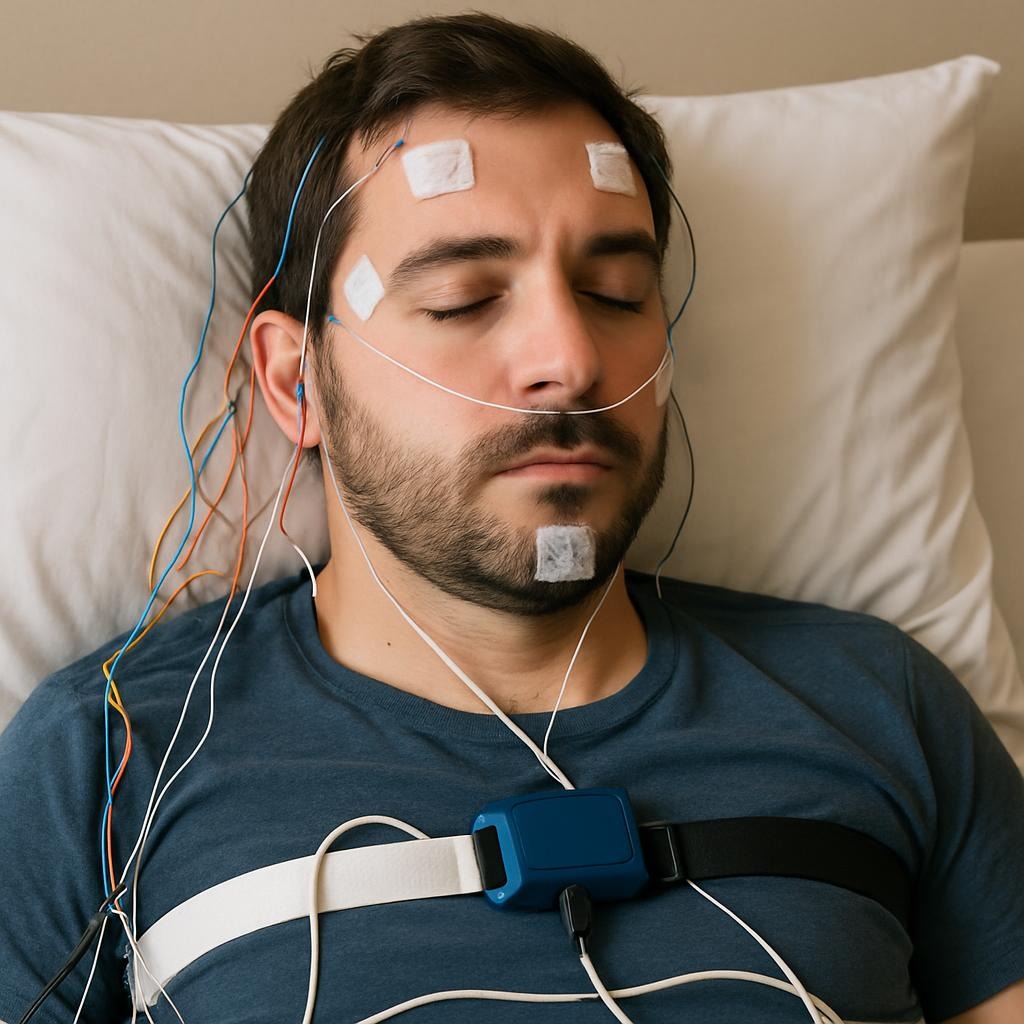
Northwestern University’s Feinberg School of Medicine in Chicago, conducted a study in which 25 healthy volunteers were required to sleep for either 4 hours or 8 hours per night. Four weeks later, the volunteers repeated the experiment, but those who slept 4 hours during the first round slept 8 hours, and vice versa. The following evening, the volunteers provided blood samples.
Sleep-deprived volunteers, as expected, had higher levels of 2-oleoylglycerol, a molecule that likely acts on endocannabinoid receptors. The sleep-deprived group didn’t report feeling hungrier and when they were given a buffet, both groups consumed the same average amount of calories.
People in the sleep-deprived group consistently chose foods that packed more energy per gram—such as glazed doughnuts instead of blueberry muffins.
But, what’s happening at a deeper, emotional level?
What may the sleepers actually be craving?
Dreams about feeling cravings can have a variety of meanings. Generally, cravings in dreams point to a desire or need to fulfill a certain void in your life. This could be a physical need, such as hunger or thirst, or an emotional need. It could also represent a longing for something that someone doesn’t currently have.
The specific meaning of a dream about cravings can vary depending on the context of the dream. If the craving is for food, it could symbolize a need for nourishment in some area of your life. It might also be a sign that the dreamer feeling deprived in some way.
If the craving is for something else, such as a person or an activity, it could represent a deep longing for something that is missing from their life. It might also symbolize a desire for more excitement or pleasure.
In some cases, a craving in a dream could also be a warning sign. It could be a sign that someone isn’t taking care of themselves properly, or that they are neglecting physical or emotional needs. It might also indicate that someone is in danger of becoming addicted to something.
I have observed anecdotally, that people who have cravings for sweet things, often have insulin issues and difficult lives – a lack of “sweetness” in their lives stimulates the need for sweet things.

Historical accounts and some systematic studies support the notion that hunger and thirst may produce more vivid, bizarre, and personally significant dreams. The widespread belief in the intentional use of fasting to stimulate dreaming likely reflects this influence. Nonetheless, these studies are limited in what they reveal about direct relationships between food and dreaming.
However, there is surprisingly little empirical research that directly addresses the question of food-dependent dreaming. Although evidence exists that sleep may be facilitated or disrupted by different types of foods—for example, foods that are rich in tryptophan, caffeine or alcohol, or even specific foods such as milk, kiwis or tart cherry juice —the effects of food on dreaming remain largely in the realm of speculation.
Cravings, Addictions and the Sweetness of Life
In my work as an addiction counselor, I often used clients’ ideas around food to help with recovery – one client I worked with, would think of his mother’s apple pie whenever cravings to drink surged. The soothing and comforting thought of the pie distracted his mind (and body) from craving alcohol.
Early sobriety dreams are a direct result of the body and brain adjusting to life without drugs or alcohol. During active addiction, substances like alcohol, opioids, and other drugs can severely disrupt sleep cycles, particularly REM (Rapid Eye Movement) sleep— where most dreaming occurs.
When a person stops using these substances, the body tries to compensate by increasing REM sleep, often leading to a phenomenon known as REM rebound. This heightened REM activity can produce dreams that are more vivid, bizarre, and emotionally charged than what you experienced during active addiction.
Signs of REM rebound include:
- vivid dreams or nightmares,
- Disorientation or confusion when waking up
- Headaches
I have seen this in working with clients – once they stop drinking or taking drugs, they dream constantly; the emotional content that was being suppressed breaks through to waking life and people may appear to be psychotic, as the emotional content takes over the waking mind and the person becomes immersed in it.

These intense dreams serve several important psychological purposes during recovery:
- Emotional Healing and Processing: These dreams are a part of an emotional detox, helping dreamers to work through the complex feelings that come with getting sober.
- Reconstructing Identity: Through these dreams, a dreamer may be working to reconcile past actions with current goals, in order to build a stronger, more integrated sense of self.
- Working Through Cravings and Triggers: Many people in early sobriety experience dreams about using drugs or alcohol. By experiencing these situations in dreams, the person is less likely to succumb to them in real life.
- Managing Stress and Anxiety: The early stages of sobriety are often accompanied by high levels of stress and anxiety. Your dreams can act as a pressure valve, allowing your mind to explore and resolve some of these anxieties while you sleep, making it easier to stay focused on recovery during the day.
As with all dreams, unless there is an actual or incipient issue around addictions, craving something – whether sweet or not – could be taken as a metaphor for the need to experience more happiness in one’s life.
Curious about your dreams? Get quick tips or a full consultation to help you figure out what your dreams are saying! Go to: Book a consultation
Leave a Reply